Do Metal Roofs Rust? The Honest Answer
Modern coatings make rust rare on a properly installed metal roof — but it isn't impossible. Here's what actually causes it, which metals are most at risk, and how to keep it from ever starting.
 MetalRoofBasics Editors · Updated Jul 2026 · 6 min read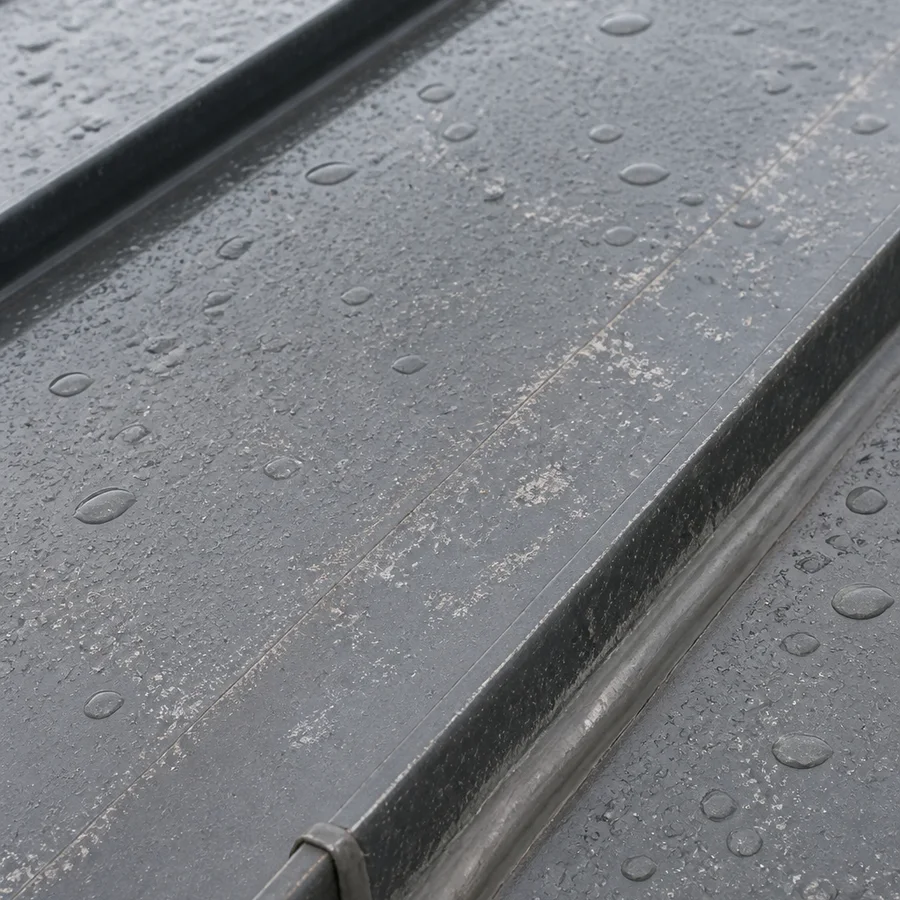
Properly coated steel and aluminum roofs rarely rust across the panel field. When rust does show up, it almost always starts at cut edges, scratches, fastener points, or spots where debris traps moisture — not from the metal itself failing.
Why modern metal roofs resist rust
"Rust" is iron oxide — it only forms on iron and steel, and only where bare metal is exposed to oxygen and moisture. Manufacturers design around exactly that:
Most steel panels are coated in a zinc-aluminum alloy (Galvalume) or zinc (galvanized) before paint ever goes on — a sacrificial layer that protects the steel underneath.
PVDF (Kynar) and similar paint finishes are baked on and warrantied for decades against chalking, fading and corrosion.
Aluminum, copper and zinc don't contain iron, so they can't rust at all — instead they form a thin, stable oxide or patina layer that protects them.
Where rust actually starts
When a coated metal roof does develop rust, it's almost always at a spot where the protective layer has been broken or bypassed:
Field-cut panel edges expose bare steel. Without touch-up paint, these edges are the single most common place rust starts.
Foot traffic, dragged ladders, or debris can scratch through the coating down to bare metal, giving moisture a place to start working.
On exposed-fastener panels, screws that back out or lose their rubber washer let water sit against bare metal at the hole.
Letting copper flashing drain onto a steel panel (or steel fasteners into aluminum) can trigger galvanic corrosion at the contact point.
Leaves and grit in valleys hold moisture against the panel far longer than open, sloped surfaces ever see.
Rust risk by metal
| Metal | Can it rust? | Real-world risk |
|---|---|---|
| Steel (Galvalume/galvanized) | Yes, if coating is breached | Low with intact coating and touch-up paint |
| Aluminum | No (no iron content) | Very low; can pit near salt air over decades |
| Copper | No | None; develops a protective green patina |
| Zinc | No | None; self-heals minor scratches over time |
| Uncoated / old steel | Yes | High — uncommon on modern residential roofs |
Climate raises or lowers the stakes. Hot, humid, storm-heavy regions keep panels wet longer and throw more debris at them, which is exactly where coating quality and detailing pay off — this Gulf Coast look at metal roofing in Houston covers how coated steel holds up through humidity and hurricane seasons.
How to prevent it
Ask your installer to apply matching touch-up paint on every field-cut edge.
Clear leaves and debris once or twice a year so moisture doesn't sit against the panel.
Use fasteners and flashing designed for your panel's metal to avoid galvanic corrosion.
Check for scratches, dents or backed-out fasteners after hail or high wind, and repair promptly.
- Coated steel resists rust well; aluminum, copper and zinc can't rust at all.
- Rust starts at cut edges, scratches, fastener holes and trapped debris — not the panel field.
- Touch-up paint, clear valleys, and matched fasteners prevent nearly all of it.
- An annual look after storms catches small issues before they spread.
Choosing a metal for your climate?
See which metal and profile suit your region.